



Why East Africa Is Becoming A Major Market For Construction Equipment
 0 likes
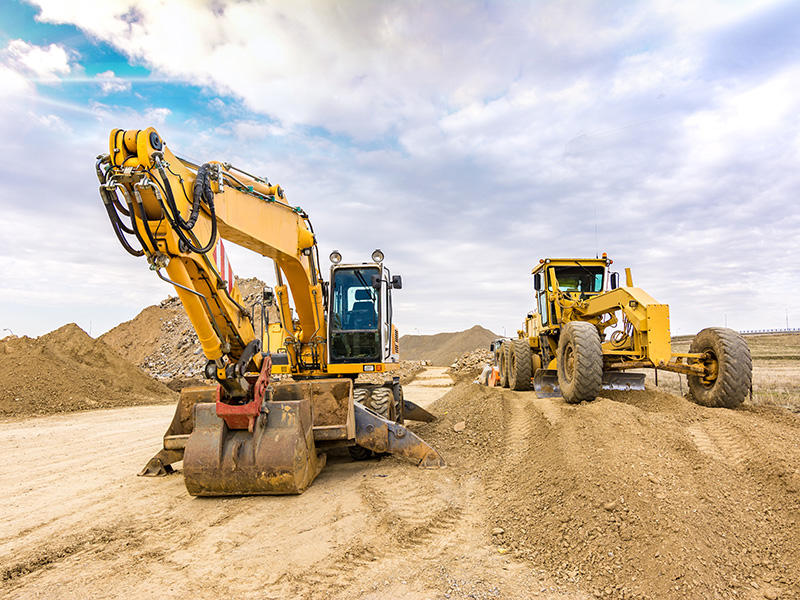
Three years ago, a Kenyan contractor I know flew to Dubai looking for backhoes. He came back with five-and a waiting list from colleagues back in Nairobi who wanted the same. That, in miniature, tells you everything about what's happening right now across East Africa's construction equipment market.
The region has gone from a sleepy afterthought in global machinery sales to one of the fastest-growing demand centres on the continent. Kenya and Tanzania infrastructure projects are multiplying at a pace that's caught even seasoned Gulf investors off guard, and the appetite for heavy machinery-excavators, loaders, graders, the whole arsenal-has turned what was once a trickle of imports into a flood.
East Africa's Infrastructure Surge Isn't Hype Anymore
For years, we heard promises. Grand plans. Renderings of highways that never quite materialised. But something shifted around 2018–2019, and the evidence is now impossible to ignore.
Road and port projects are the twin engines. Tanzania's central corridor-linking Dar es Salaam to Rwanda, Burundi, and the eastern DRC-is under aggressive expansion. Kenya's Lamu Port-South Sudan-Ethiopia Transport (LAPSSET) corridor, long dismissed as vaporware, is inching forward in stages. The Nairobi Expressway, completed in record time, proved that large-scale infrastructure could actually *finish* on schedule if the will and financing aligned.
What most people miss here is the multiplier effect. A single highway project doesn't just need earthmovers during construction. It sparks secondary development: warehouses, logistics hubs, residential clusters. Each of those needs equipment too. I've seen this pattern repeat across the Gulf-Vision 2030 megaprojects in Saudi Arabia didn't just consume steel and concrete; they rewired entire supply chains. East Africa is in the early chapters of the same story.
Contractor demand has become the real pressure point. Local firms that used to rent a single excavator for a month-long job are now placing orders for fleets. Chinese and Turkish contractors, dominant in the region, bring some of their own gear but increasingly source locally to avoid customs delays and because, frankly, the economics make sense when projects stretch across years.
The Machines East Africa Wants Right Now
Not all equipment is created equal in this market, and knowing what's moving tells you where the real action is.
Earthmoving equipment leads by a mile. Bulldozers, excavators, motor graders-anything that shifts dirt, fast. Road construction is labour-intensive in theory, but in practice, timelines have compressed so much that manual methods can't keep up. A mid-sized excavator that would have been overkill a decade ago is now standard issue.
Compactors and pavers are following close behind. Asphalt quality has been a sore point across the region (anyone who's driven Kenyan roads knows this), but donor-funded projects and government tenders now enforce stricter specs. That means modern paving trains, vibratory rollers, the works.
Here's the thing: there's also growing uptake of smaller, more versatile machines. Skid steers, compact loaders, telehandlers. Why? Urbanisation. Nairobi and Dar es Salaam are densifying fast, and tight job sites can't accommodate the massive tracked excavators that dominate highway work. Contractors are getting smarter about fleet composition.
And don't sleep on lifting equipment. Tower cranes are going up across Nairobi's Westlands and Upper Hill districts, which now look more like construction zones than business hubs. Rental models are popular here-few Kenyan firms want to own a crane outright-but rental availability depends on someone importing the gear in the first place.
Why Gulf Players Should Pay Attention
For GCC-based equipment dealers, financiers, and logistics operators, East Africa represents a specific kind of opportunity-one that doesn't require the reinvention of your business model but does reward those who move early.
First: the financing gap is enormous. Most East African contractors operate on thin margins and can't write cheques for $250,000 excavators. Lease-to-own structures, supplier credit, even creative partnerships with development finance institutions-there's room to structure deals in ways that wouldn't fly in saturated markets but make perfect sense here. Some UAE-based equipment exporters are already doing this quietly, and they're building customer loyalty that will last decades.
Second: the Gulf has proximity and credibility. A bulldozer shipped from Dubai reaches Mombasa faster and cheaper than one from Shanghai or Hamburg. Spare parts, service support, technician training-East African buyers want partners they can reach in a few hours, not suppliers on the other side of the world. Post-EXPO 2020, UAE firms have doubled down on African markets, and the logistics infrastructure (free zones, multimodal hubs) is already there.
Third: heavy machinery Kenya Tanzania markets aren't price-sensitive in the way you'd think. Yes, Chinese brands dominate on sticker price. But downtime kills projects, and contractors are learning that the cheapest excavator is often the most expensive when it's broken. Quality matters. After-sales service matters more. Gulf-based distributors of Caterpillar, Komatsu, Volvo-you're not selling metal; you're selling uptime.
One wrinkle worth noting: Kenya's persistent currency volatility makes dollar-denominated purchases tricky. Contractors and buyers are increasingly looking for shilling-based payment plans or hedging mechanisms. If you can structure that, you're ahead of 90% of your competitors.
Where This Goes Next
East Africa's construction equipment market won't plateau anytime soon. The African Development Bank estimates the region needs $100 billion in infrastructure investment by 2030 just to close current gaps. Even if half that materialises, machinery demand will keep climbing.
What changes is the sophistication. Telematics, fuel efficiency, emissions standards-these aren't priorities yet, but they will be. The first dealers who bring equipment with embedded fleet management tech and prove its ROI will lock in long-term relationships.
If you're in the Gulf and you've been watching East Africa from a distance, now's the moment. The foundation-laying phase is over. The building has started.
Leave a reply