



The Machines Kenya Can't Get Enough Of-And What That Means For Middle East Exporters
 0 likes
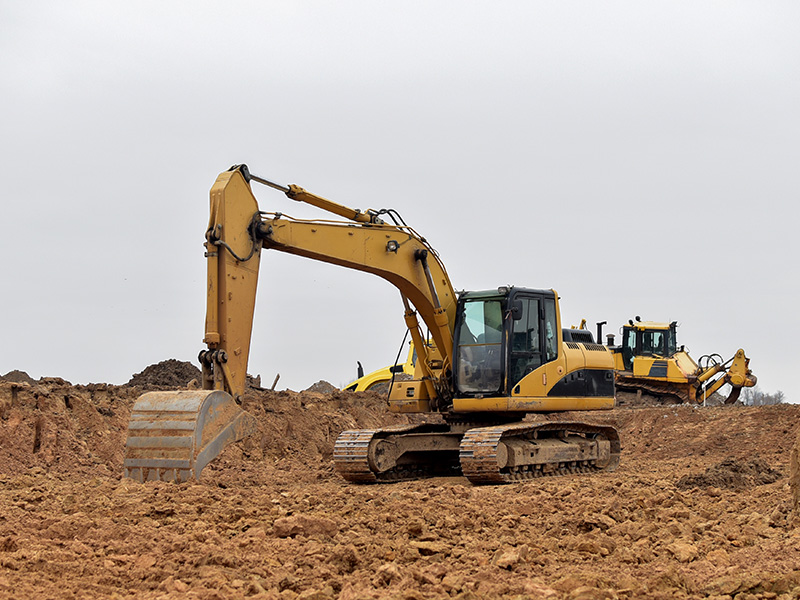
Kenya's construction sector isn't just growing-it's ravenous. Drive through Nairobi's outskirts or along the new expressways slicing through Kiambu County, and you'll see earthmoving equipment working round the clock. Excavators, wheel loaders, dump trucks: they're everywhere. For equipment dealers and exporters in the Gulf, this East African market represents one of the most compelling opportunities outside the immediate MENA region. The demand for construction equipment in Kenya has surged beyond what local supply chains can handle, creating a gap that savvy operators from Dubai, Riyadh, and Cairo are already moving to fill.
Why Kenya's Equipment Market Is Heating Up Right Now
Three forces are converging. First, the infrastructure boom isn't slowing down-Kenya's government has committed to expanding road networks, building affordable housing units, and modernizing transport corridors under its economic blueprint. Projects like the Nairobi-Mombasa Expressway and the Lamu Port-South Sudan-Ethiopia-Transport (LAPSSET) corridor require heavy equipment Kenya contractors simply don't have in adequate numbers.
Second, mining and quarrying have exploded. Counties like Taita-Taveta and Kwale are seeing serious investment in mineral extraction-everything from titanium to limestone-and that means demand for earthmoving equipment that can handle tough terrain and high-volume operations.
Third-and this matters to anyone in the MENA export game-Kenya's contractors are cash-conscious but ambitious. They want machines that can do multiple jobs. Versatility trumps specialization. A wheel loader that can also handle light grading? That's gold. This preference shapes which machines move fastest.
The Equipment Everyone's Hunting For
Excavators: The Workhorse No One Can Do Without
Excavators Kenya contractors are after range from compact 5-ton models to 30-ton behemoths. Smaller excavators (under 10 tons) dominate urban projects-tight sites, utility work, residential developments. But the big boys, the 20–30 ton tracked excavators, are what road and infrastructure projects devour. Brands like Caterpillar, Komatsu, and Hitachi dominate, though Chinese manufacturers like XCMG and Sany are making serious inroads on price.
Here's the thing: Kenyan buyers aren't brand snobs, but they're wary of parts availability. If you're exporting from the UAE or Saudi, your after-sales story matters as much as the iron itself.
Wheel Loaders: The Multi-Tool of Construction Sites
Wheel loaders Kenya needs are typically in the 3–5 cubic meter bucket range. They load trucks, move aggregates, clear sites, and-in a pinch-do rough grading. On quarry sites in Machakos and Kajiado, wheel loaders run 10-hour shifts six days a week. Contractors want machines that can take a beating and keep running.
What's interesting is how quickly the used equipment market has grown here. A three-year-old wheel loader from Dubai, properly serviced, sells for 40–50% less than new. For a Kenyan contractor running on tight margins, that math is irresistible.
Motor Graders and Dump Trucks: Road Construction's Backbone
Motor graders are having a moment. County governments-Kenya devolved road maintenance to its 47 counties a few years back-are buying or leasing graders to maintain rural access roads. The demand is steady, not spectacular, but it's there.
Dump trucks, on the other hand, are in perpetual shortage. Every major project needs them: 20-ton, 30-ton, articulated haulers for rough terrain. The Kenyan market swallows every available unit. Dump trucks wear out fast here-overloading is common, maintenance sporadic-so the replacement cycle is tight.
Bulldozers and Backhoe Loaders: Supporting Cast, Still Critical
Bulldozers (D6, D7, D8 class) are mostly bought by large contractors and mining firms. Smaller operators can't justify the cost or the limited use-case. But when land needs clearing-forest edges being converted for tea plantations, quarries being opened-nothing else will do.
Backhoe loaders occupy a sweet spot: affordable, versatile, easy to transport. They're the pickup trucks of construction equipment. Rural contractors love them because one machine can dig foundations, load trucks, and trench for water lines.
Why Used Equipment Dominates the Market
Look, new machines are expensive. A brand-new 20-ton excavator costs north of $150,000. That's a barrier most Kenyan contractors can't clear, especially when bank financing for equipment remains expensive and complicated. So they turn to the used market-and that's where Middle East exporters have carved out serious business.
Used equipment from the Gulf, particularly the UAE, has a reputation for quality. Yes, machines work hard in Dubai and Saudi, but they're also maintained properly. A five-year-old excavator from a Riyadh contractor, still running strong, is a far better bet than a new Chinese model with uncertain parts availability.
The lower cost isn't the only draw-it's about access. A contractor in Eldoret or Kisumu can close a deal on a used wheel loader in three weeks; ordering new might take six months with import logistics, currency fluctuations, and bureaucratic hurdles. Speed matters when projects have tight deadlines and penalty clauses.
Which Sectors Are Driving All This Demand?
Three main engines. Road and housing construction projects are the obvious ones-Kenya's appetite for infrastructure is insatiable, and the government's affordable housing agenda (500,000 units by 2027) requires constant equipment deployment.
Mining and quarry operations are less visible but equally hungry. Limestone for cement, sand, ballast-Kenya's construction boom feeds on these materials, and extracting them requires heavy equipment Kenya's mining sector is actively buying or leasing.
Then there's agriculture-specifically, large-scale land preparation and irrigation. Bulldozers and excavators are increasingly used for dam construction, terracing, and land clearing in agricultural counties. It's a secondary market, but growing.
Where This Market Is Headed
Kenya's equipment demand isn't a bubble-it's structural. The government's infrastructure ambitions, backed by both domestic revenue and partnerships with Chinese and Western financiers, guarantee another decade of heavy construction activity. For equipment exporters in the MENA region, especially those sitting on well-maintained used fleets, Kenya represents a market that's open, growing, and underserved.
But-and this matters-the window for premium pricing is closing. As more players enter, competition will tighten. The exporters who win will be the ones who can offer not just machines, but service networks, financing options, and fast turnaround. Kenya's contractors are pragmatic. They'll buy from whoever solves their problems fastest. Right now, that's increasingly suppliers who understand both the Gulf market they're exporting from and the East African market they're selling into.
That cross-regional knowledge? That's the real competitive edge.
Leave a reply