




Post Date:
Oct 28, 2025
|
Grading The Future Smart Motor Graders In Action
Grading The Future Smart Motor Graders In Action
Post Date:
Oct 28, 2025
|
Brought to you by

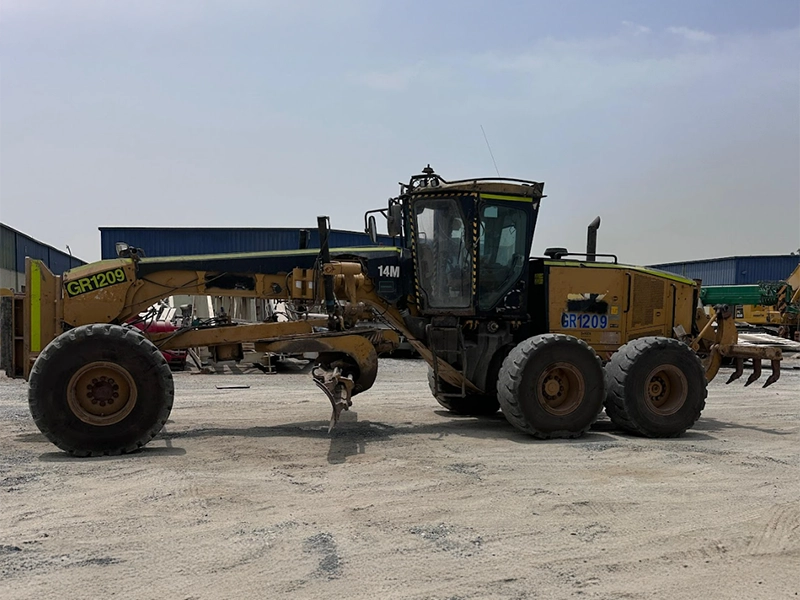
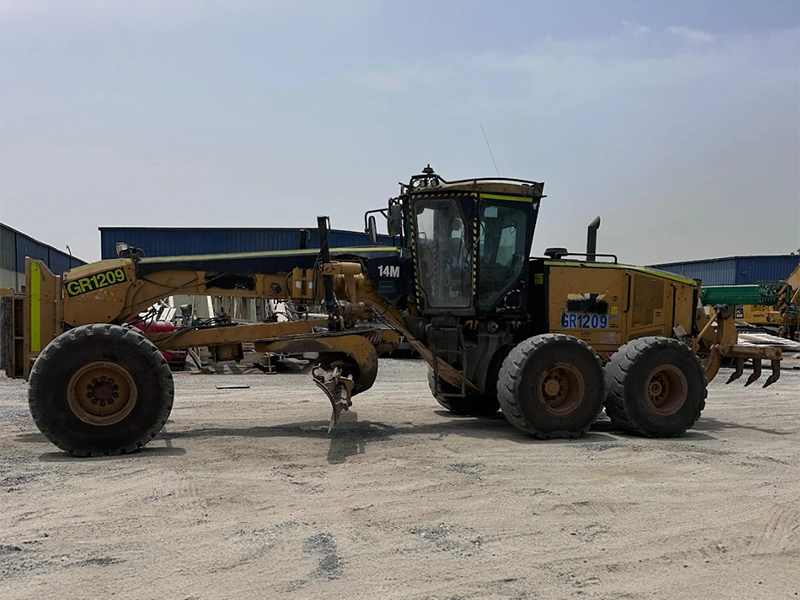
When it comes to creating smooth roads, precise slopes, and level surfaces, no machine is as vital as the motor grader. Traditionally seen as a heavy-duty earthmoving machine, the grader is now transforming into a symbol of precision, innovation, and sustainability in the construction world.
Smart Technology in Graders
Today’s graders are equipped with advanced GPS and 3D machine control systems, allowing operators to achieve perfect grading with minimal effort. Automated blade controls ensure accuracy down to millimeters, reducing the need for rework. This not only speeds up projects but also saves fuel and labor costs.
Fleet managers also benefit from telematics integration, which provides real-time data on performance, fuel usage, and maintenance schedules. Predictive analytics now help prevent costly downtime, ensuring projects stay on track.
Sustainability Takes the Front Seat
Environmental concerns are pushing motor graders into the green revolution. Manufacturers are rolling out hybrid and fuel-efficient models that reduce emissions while delivering the same power as traditional diesel units. Some regions are even testing electric-powered graders, particularly for urban projects where noise and emissions are restricted.
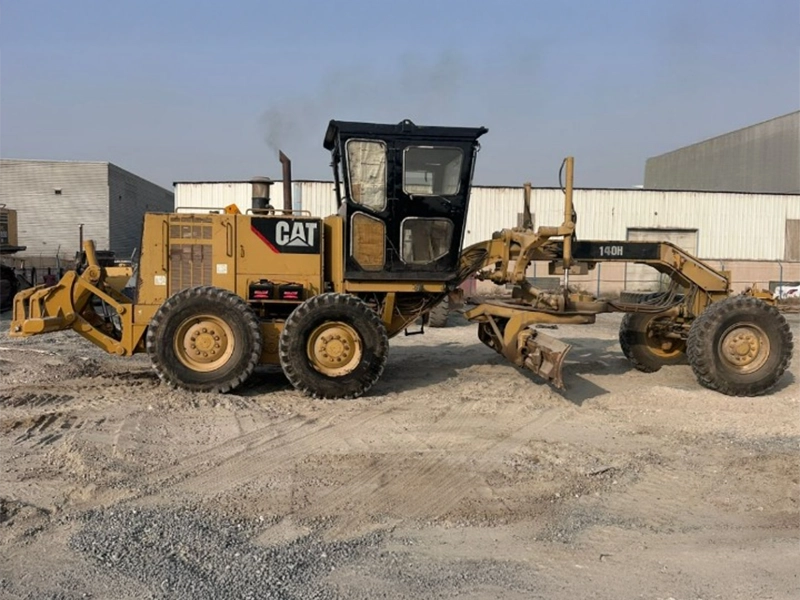
Refurbished graders are also in demand, offering contractors cost-effective and eco-friendly alternatives. By extending the lifecycle of existing machines, companies reduce both capital expenditure and environmental impact.
Compact and Versatile Graders
Urban projects and small-scale developments are creating demand for compact motor graders. These machines are easier to maneuver in confined spaces, yet still deliver the precision required for grading roads, parking lots, and residential areas. Manufacturers are focusing on making these models versatile, with multiple attachments that extend their usability.
Global Demand on the Rise
The global motor grader market is witnessing steady growth.
- Asia-Pacific: Infrastructure mega-projects in India and China are fueling large fleet requirements.
- Africa & Middle East: Road construction and mining projects are driving demand for durable, cost-effective graders.
- North America & Europe: Technologically advanced and eco-friendly models are becoming industry standards, especially with stricter emission regulations.
Challenges and Opportunities
While graders are evolving, challenges remain—rising machine costs, skilled operator shortages, and fluctuating fuel prices. However, opportunities in automation, rental markets, and refurbishment are balancing these hurdles, ensuring graders remain indispensable.
Conclusion
Motor graders are no longer just “road machines.” They are becoming smart, sustainable, and adaptable tools for global construction needs. As roads, highways, and smart cities continue to expand, the grader will remain central—not only shaping the ground beneath us but also paving the way for a future of innovation and resilience.
Sponsored by
Hexco Global is a trusted leader in the global construction machinery trade, specializing in the sale of new and used equipment across 35 countries on six continents. With perational branches in the UAE, USA, India, and China, we ensure top-quality machinery and eamless service to meet diverse industry needs. From earthmoving equipment to road construction machines, Hexco provides reliable, cost-effective solutions that drive progress and innovation. Committed to excellence,sustainability, and customer satisfaction, we empower businesses worldwide to build a stronger,more efficient future.
Choose Hexco Global – your partner in constructing success.


Sponsored by
Hexco Global is a trusted leader in the global construction machinery trade, specializing in the sale of new and used equipment across 35 countries on six continents. With perational branches in the UAE, USA, India, and China, we ensure top-quality machinery and eamless service to meet diverse industry needs. From earthmoving equipment to road construction machines, Hexco provides reliable, cost-effective solutions that drive progress and innovation. Committed to excellence,sustainability, and customer satisfaction, we empower businesses worldwide to build a stronger,more efficient future.
Choose Hexco Global – your partner in constructing success.
This article was written and sponsored by Hexco Global.
To feature your business in sponsored content, contact: [email protected]